It's often not optional in the first place
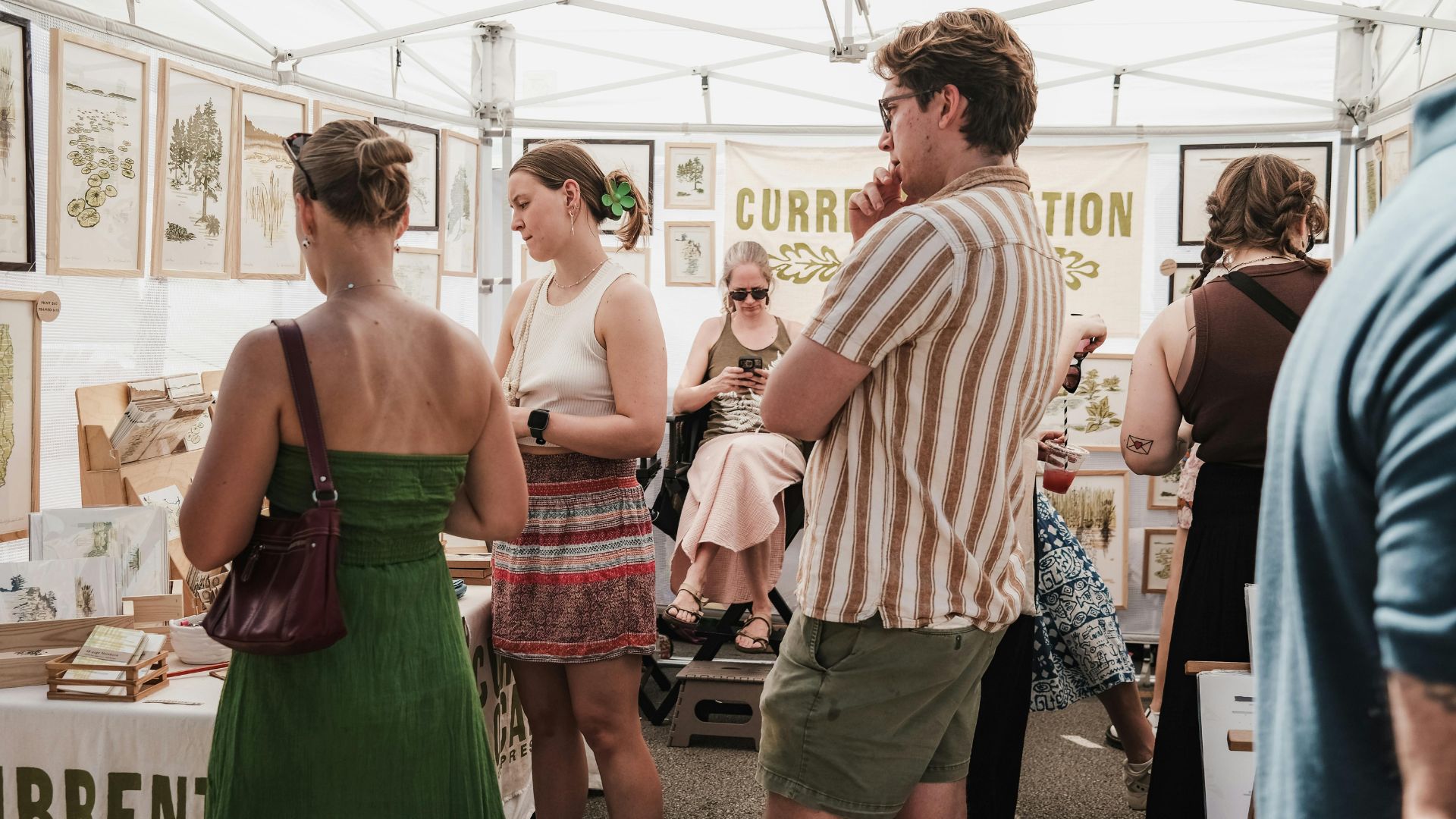
Most craft fair and market organisers now ask exhibitors to hold public liability insurance before they'll let you set up a stall. It's usually a condition buried in the booking terms, and it's easy to miss until an organiser emails asking for your certificate a week before the event.
Even when it isn't a strict requirement, plenty of organisers will ask informally, or simply assume you have it, because if something goes wrong at their event, they'll want to know you're covered rather than them.
What could actually go wrong?
It's easy to think of a craft stall as low-risk - you're not operating machinery or running a building site. But craft fairs put a lot of unpredictable elements in one place: uneven flooring, trailing extension leads, hot wax or glue guns, breakable stock, and a steady stream of curious visitors (and their children and dogs) picking things up.
A few realistic scenarios:
- A visitor trips over your display table's leg and needs medical treatment.
- A candle you sold causes a fire in a customer's home because of a wick or wax issue.
- A piece of jewellery contains a component that triggers an allergic reaction.
None of these are far-fetched, and any one of them could lead to a claim against you personally - which is where the different types of cover come in.
"But I only do a few fairs a year"
This is the most common reason crafters put off sorting insurance - and it's exactly why cover built for occasional sellers exists. You don't need a heavyweight annual commercial policy to trade responsibly at four fairs a year. Look for cover that flexes around how often you actually sell, rather than assuming you're running a full-time market stall business.
Getting covered without losing an afternoon to paperwork
The honest reason most crafters go without insurance isn't that they don't see the risk - it's that sorting it out feels like a distraction from actually making things. The good news is that for straightforward craft stalls, getting a policy in place doesn't have to be complicated: a short online form covering what you make, how you sell it, and how often, is usually enough to get a quote and get covered.
If you're booked in for a fair and haven't sorted cover yet, it's worth doing before the certificate request lands in your inbox - not after.
Made at Home Insurance was built for people who make things by hand and sell them - at fairs, online, or both. Craft with confidence.